property
Fargo Housing Shortage Drives Real Estate Strategy Amid NDSU Demand
An analysis of how current building permit levels and demand from North Dakota State University influence local real estate strategy.
How we reported this
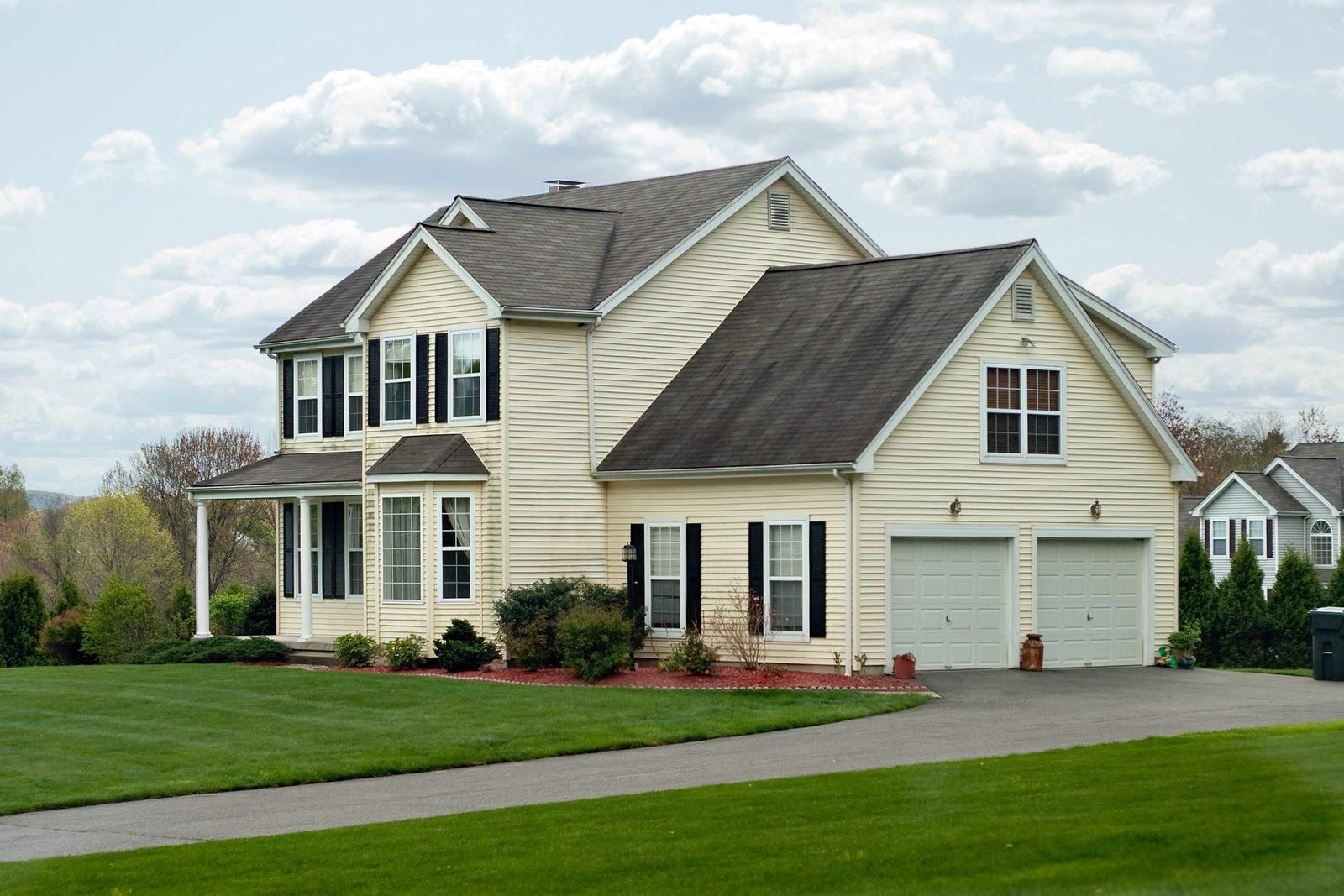
The Fargo real estate market is currently navigating a period defined by a structural housing shortfall that continues to shape investment strategies across the city. According to data regarding municipal growth, the city currently faces a structural 600-unit annual housing shortfall, as the current pace of 1,200 permits issued annually falls short of the 1,800 units needed to meet demand. This disparity is a primary driver behind the current market environment, where rental rates are rising by approximately 8% annually and vacancy rates remain constrained under 5%.
Understanding Regional Investment Yields
For those looking at potential returns, the market reflects a wide range of cash flow opportunities depending on the specific neighborhood. Investors are currently observing cash flow returns ranging from 5-8.5%. The highest yields, typically between 7-8.5%, are frequently found in North Fargo. This is largely attributed to lower entry costs in that area, where properties often range between $180,000-$250,000. In contrast, those seeking to balance cash flow with potential appreciation often look toward South and West Fargo, where price points for family rentals are generally between $250,000-$450,000.
Market Demand and Rental Performance
The demand for rental housing in Fargo is underpinned by a diverse demographic, including professionals and students associated with North Dakota State University. This demand sustains an average monthly rent that sits between approximately $1,100-$1,450 for standard units, though larger or upscale homes can see rents exceeding $2,200. These figures exist within a broader market where median home prices are observed between $230,000-$290,000, with property values rising at an average rate of 7.1% year-over-year.
Strategic Planning for Investors
Investors aiming to navigate this environment effectively should consider their specific objectives when selecting a geographic focus. North Fargo remains a frequent choice for those prioritizing workforce housing and cash flow, whereas South and West Fargo are often viewed as more suitable for those focused on family-oriented rentals and long-term appreciation. Regardless of the chosen neighborhood, experts often advise utilizing professional property management companies to assist with rental oversight and maintain operational efficiency. Produced with AI assistance and reviewed against our editorial standards. Sources are linked where available. Spotted an error or need a correction? Contact corrections@dailynetwork.news.
This article is general information only and is not personal financial or investment advice. Consider your own circumstances and seek licensed professional advice before making financial decisions.
References Sourced but Not Limited to:
- fmhomepros.com · Navigating fargo moorhead real estate market guide successful investment
- jakenfinancegroup.com · Crushing 2026 the ultimate fargo real estate strategy
- ptmproperties.com · Reasons to invest in fargo real estate
- buildsandbuys.com · North dakota real estate investment guide
- ptmproperties.com · Blog
- ark7.com · Real estate investing opportunities north dakota
- ark7.com · Real estate investing north dakota
- northdakota.propertychecker.com · Home selling