lifestyle
Fargo Residents Adopt Water-Smart Habits Through Go2030 Framework
Everyday choices around landscaping, commuting and energy use are aligning with the city's long-range sustainability goals.
How we reported this
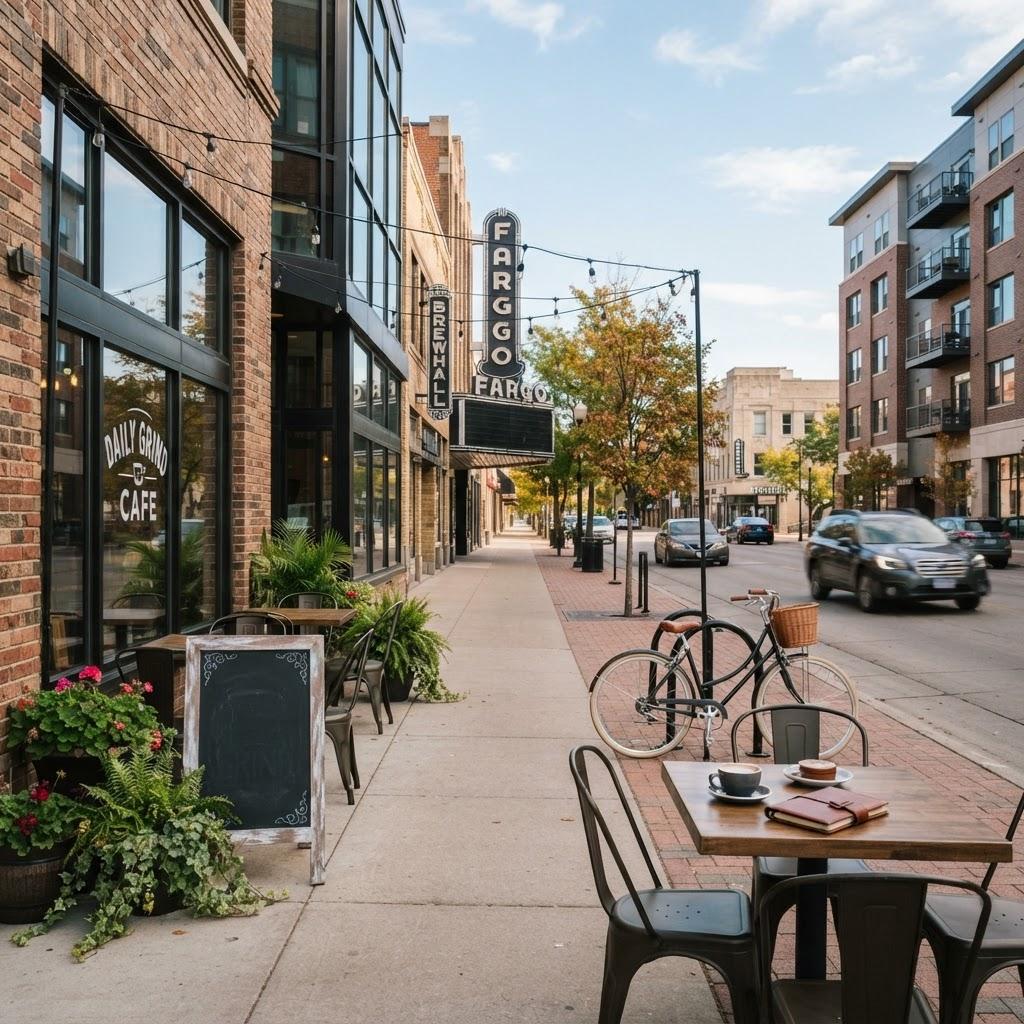
Fargo households are beginning to adopt rain gardens and native landscaping as routine practices, following the city's outlined push for permanent flood protection and stormwater management in the Go2030 plan.
The timing aligns with ongoing work toward the 2030 vision of a vibrant, sustainable city that protects the Red River of the North and the Sheyenne River while cutting water use. City documents frame these steps as essential for long-term supply security and neighborhood resilience, especially as development continues along main corridors and infill areas.
Green Infrastructure Takes Root in Neighborhoods
Local efforts now emphasize on-street rain gardens that capture runoff before it reaches storm sewers, paired with retention areas that double as recreational spots. The same framework calls for preserving existing trees during new projects, adding street trees along primary routes, and expanding neighborhood parks with added amenities and safety measures. These changes tie directly into watershed strategies developed alongside the diversion channel project aimed at 500-year protection.
Drinking water quality receives parallel attention through studies of Devils Lake overflows into the Sheyenne River and planning for drought reserves. Policies under discussion include expanded wastewater reclamation for irrigation and industrial reuse, plus shifts to xeric plants that lower irrigation demand.
Transportation and Energy Changes Support Daily Routines
Residents are also seeing gradual improvements in bicycle and pedestrian connectivity, including gap-filling in the local network and a complete streets approach that could turn corridors such as University into multimodal hubs. Transit upgrades under consideration include higher-frequency service across Fargo, Moorhead and West Fargo, with studies of streetcars or light rail options. A city-wide trail loop built mostly off-street is intended to link neighborhoods and support year-round recreation.
On the energy side, the plan directs city facilities and schools toward efficiency standards that lower the municipal carbon footprint, while exploring incentives for renewable production and smart-grid features that let households sell excess power back to the grid. These measures sit alongside broader goals for healthy food access through farmers' markets and community gardens.
Practical steps available now include planting native species in yards, installing full-cutoff lighting where possible, and using off-street trails for short trips instead of driving. The full set of guiding principles and initiatives is available on the city site at fargond.gov under the Go2030 section.