finance
Understanding Fargo’s Commercial Development: What Residents Should Know
As Fargo’s business landscape evolves, consumers and everyday residents face changes that affect shopping, dining, and community life.
How we reported this
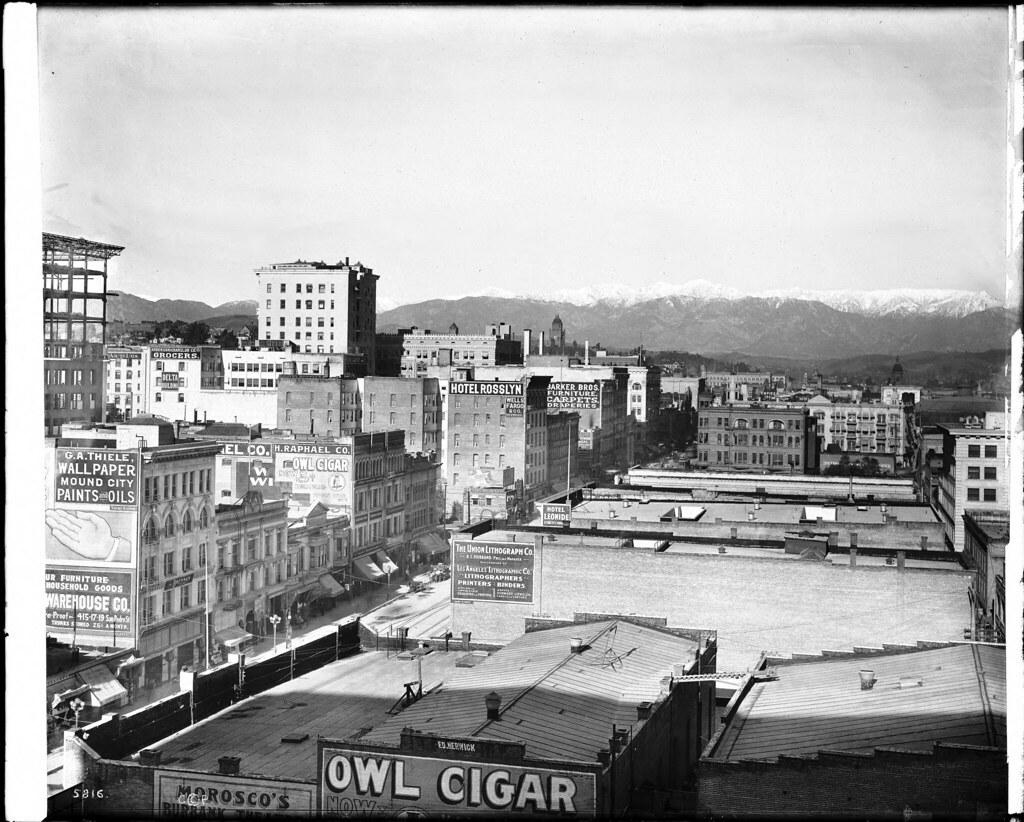
Fargo is witnessing steady growth in commercial development that is reshaping shopping districts and service hubs across the city. While specific new projects have yet to be detailed by city planners or major developers, residents are beginning to notice shifts in where and how local businesses operate, signaling changes with direct impact on daily life.
Why Fargo’s Commercial Expansion Matters Now
The urgency to grasp this commercial transformation comes amid broader economic and social shifts. As urban populations grow and consumer preferences evolve, Fargo’s retail and commercial sectors are responding with new layouts, anchor tenants, and renovation efforts to stay competitive and appealing.
Many residents and consumers are sensitive to changes in accessibility, product availability, and pricing that accompany these developments. For instance, traditional shopping centers may give way to mixed-use complexes combining retail, dining, and entertainment, demanding adjustments in transportation and everyday routines.
What Fargo Residents Need to Understand About Local Changes
Residents of neighborhoods around the downtown core and expanding areas like North Fargo and South University have begun to see adjustments in commercial activity. While no precise projects or dates have been publicly released by local development authorities or companies, anecdotal observations indicate a trend toward more integrated commercial spaces that blend shopping with community amenities.
Consumers should be aware this could mean shifts in their familiar shopping routines, new traffic patterns, and evolving local business offerings. The city’s long-standing networks of retail corridors, including the Broadway Heights area and 13th Avenue South, may gradually incorporate emerging commercial formats that emphasize convenience and experience over traditional storefront setups.
Fargo’s commercial development is also influenced by broader macroeconomic factors such as inflation pressures and the increasing importance of e-commerce, which motivates brick-and-mortar businesses to innovate. While exact figures or timelines are not available, the qualitative impact includes potential changes in employment opportunities, retail prices, and service variety.
For residents, staying informed through local government updates and community meetings can ease the transition and help anticipate changes in daily access to goods and services. Additionally, consumer habits may adapt as new commercial venues prioritize mixed-use and experiential concepts over conventional retail alone.
As Fargo navigates this phase of commercial development, the best approach for everyday residents is to remain engaged with neighborhood associations and city planning forums. This provides opportunities to influence development outcomes, voice concerns, and capitalize on new amenities designed to enhance local quality of life without sacrificing convenience or accessibility.
This article is general information only and is not personal financial or investment advice. Consider your own circumstances and seek licensed professional advice before making financial decisions.